In a recent escalation of tensions in the Middle East, the Islamic Revolutionary Guard Corps (IRGC) has boldly responded to President Trump following a 48-hour warning issued by the United States regarding the Hormuz route. The IRGC did not mince words, delivering a clear message to the US administration: “You’re fired!”
The warning from the US came in the midst of rising concerns over threats to maritime security in the Gulf region, particularly along the strategic Strait of Hormuz. This vital waterway is a critical chokepoint through which a significant portion of the world’s oil supply passes, making it a key economic and geopolitical flashpoint.
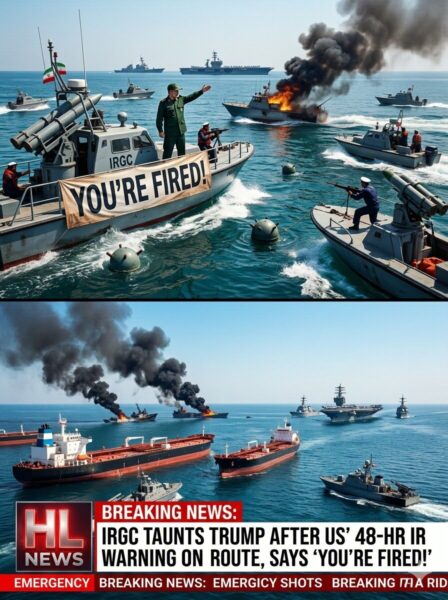
The IRGC’s defiant response serves as a stark reminder of the ongoing power struggles and brinkmanship prevalent in the region. The exchange of strong rhetoric underscores the deep-rooted tensions between the US and Iran, with both sides engaging in a war of words amid heightened military posturing.
The IRGC, a powerful military force within Iran, has long been a target of US sanctions and pressure, with the Trump administration taking a hardline approach towards Tehran. The recent exchange highlights the fragile nature of the relationship between the two countries and the potential for further escalation in the already volatile region.
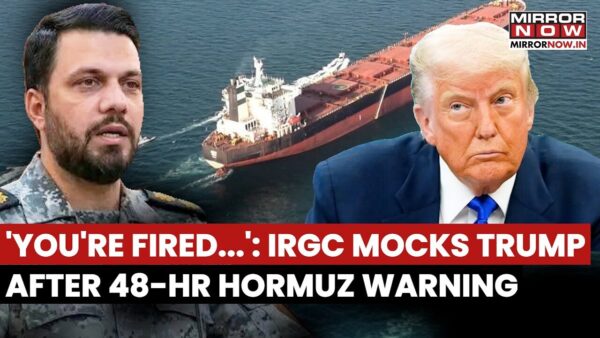
As the situation continues to unfold, the international community is closely watching for any signs of military action or further provocations. The stakes are high, with the potential for any misstep to have far-reaching consequences not just for the US and Iran, but for global security and stability as a whole.
In the midst of geopolitical uncertainties and escalating tensions, diplomatic efforts and communication channels must remain open to prevent misunderstandings and miscalculations that could potentially lead to a dangerous escalation of conflict. The world waits with bated breath as the situation in the Middle East continues to evolve, with the specter of war looming large over the region.