Following the recent strike on Kharg Island, tension between Iran and the UAE escalates as Iran retaliates by targeting Fujairah, resulting in a significant impact on the UAE’s petro-dollar economy.
In the aftermath of the Kharg Island strike, Iran wasted no time in taking action against the UAE, specifically targeting Fujairah. This move has sent shockwaves through the region and has caused a ripple effect on the UAE’s petro-dollar economy.
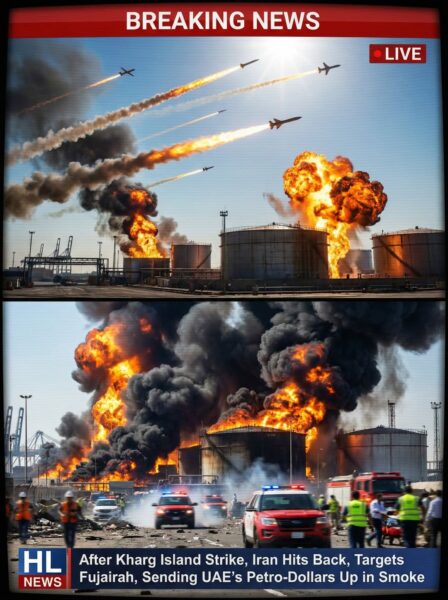
The strike on Kharg Island, a vital oil terminal in Iran, was a strategic move that aimed to disrupt the country’s oil exports. In retaliation, Iran’s targeting of Fujairah, a key port in the UAE, has further heightened tensions between the two nations.
As a result of these hostilities, the UAE’s petro-dollar economy is now facing uncertainty and instability. The targeted attacks have led to disruptions in the region’s oil supply chain, impacting the UAE’s ability to trade and profit from its oil resources.
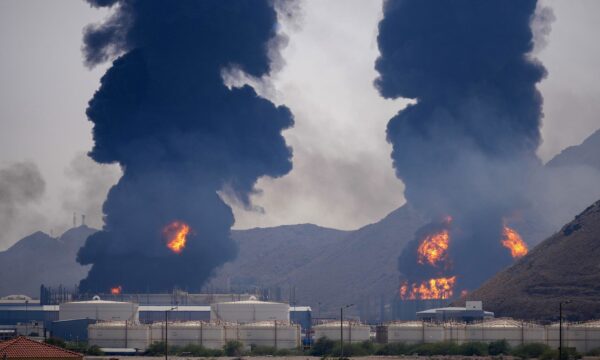
The repercussions of these attacks are significant, not only for the UAE but also for the wider global economy. The instability in the region has already caused fluctuations in oil prices, affecting markets worldwide.
The targeted strikes on Kharg Island and Fujairah have highlighted the vulnerability of key oil infrastructure in the region. The ongoing conflict between Iran and the UAE has raised concerns about the security of oil supply routes and the potential for further escalation.
In conclusion, the recent developments following the Kharg Island strike and Iran’s retaliation against Fujairah have had a profound impact on the UAE’s petro-dollar economy. The region is now facing increased uncertainty and instability as tensions continue to mount between these two key players in the global oil market.