In a recent alarming development, Iran launched an attack on the fuel ship crucial for sustaining the USS Abraham Lincoln, a key asset of the United States’ naval forces. This aggressive move sent shockwaves through the international community and raised tensions to new heights in the already volatile region.
The USS Abraham Lincoln, a Nimitz-class aircraft carrier, plays a pivotal role in the U.S. military’s strategic presence in the Middle East. Its operations and missions are heavily reliant on a steady and secure supply of fuel, which is provided by a dedicated fuel ship accompanying the carrier.
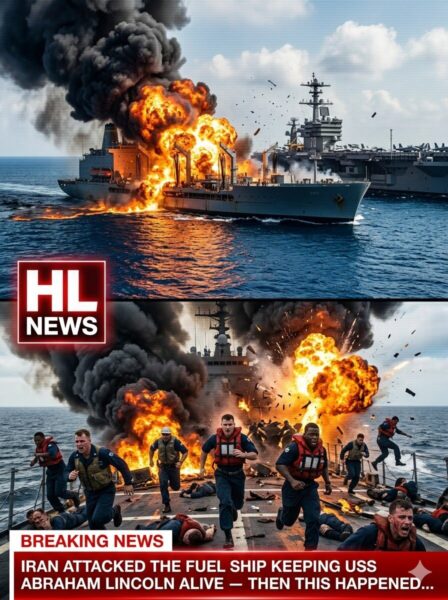
The attack on the fuel ship by Iranian forces not only threatened the fuel supply for the USS Abraham Lincoln but also posed a direct challenge to the U.S. Navy’s operational capabilities in the region. The brazen act of aggression was viewed as a direct affront to the United States and its allies, prompting swift condemnation from world leaders.
In response to the attack, the U.S. military swiftly mobilized additional resources to ensure the continued operation of the USS Abraham Lincoln. The Department of Defense deployed naval escorts and increased security measures to safeguard the vital supply chain supporting the aircraft carrier.
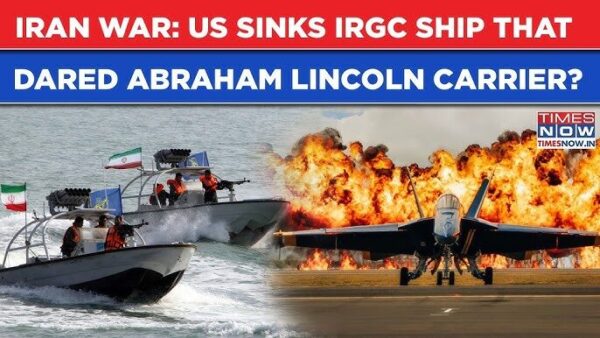
Amidst the escalating tensions, unexpected events unfolded that caught both sides by surprise. Diplomatic efforts were initiated behind the scenes to de-escalate the situation and prevent further hostilities. Backchannel communications and negotiations sought to find a peaceful resolution to the crisis and prevent a full-scale military confrontation.
As the situation continued to unfold, the world held its breath, hoping for a peaceful resolution to the conflict. The incident served as a stark reminder of the fragile balance of power in the region and the potential consequences of unchecked aggression.
Ultimately, the events following the attack on the fuel ship highlighted the importance of diplomacy and negotiation in resolving international disputes. The incident underscored the need for clear communication and de-escalation strategies to prevent conflicts from spiraling out of control.
As tensions simmered and the situation gradually stabilized, the global community remained vigilant, mindful of the delicate balance that defined the geopolitical landscape. The aftermath of the attack served as a cautionary tale of the inherent risks and complexities of navigating international relations in an increasingly interconnected world.