The recent attack on Iran’s Kharg Island has raised speculations about the involvement of the UAE in facilitating a strike orchestrated by the United States. The strategic location of Kharg Island in the Persian Gulf has long made it a crucial hub for Iran’s oil exports, earning it the nickname of the “Orphan Jewel.”
Reports suggest that the UAE may have allowed US forces to use their territory as a launching pad for the attack on Kharg Island. This alleged collaboration has further heightened tensions in the already volatile region, with Iran condemning the attack as a violation of its sovereignty.
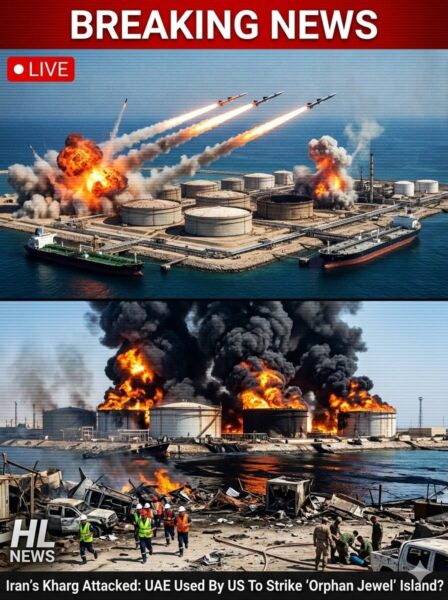
The timing of this incident has added a layer of complexity, as it comes at a time when former President Donald Trump has been escalating his rhetoric against Iran. There are concerns that Trump’s approach to foreign policy could be fueling the crisis in the Middle East, leading to a potential spiral of violence and instability.
The attack on Kharg Island has also reignited debates about the role of regional actors in the broader geopolitical landscape. The relationship between the US, Iran, and the Gulf states has always been fraught with tension, and the events unfolding around Kharg Island only serve to underscore the complexities at play.
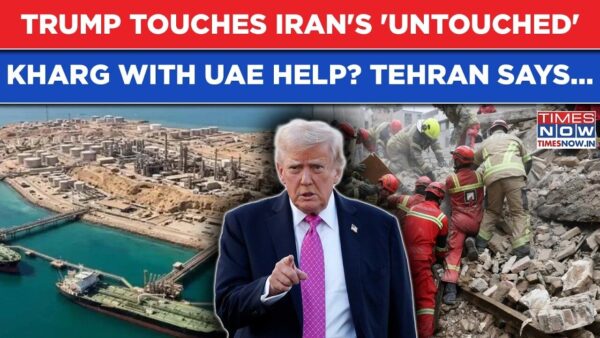
As the situation continues to evolve, all eyes are on the diplomatic efforts to de-escalate tensions and prevent a further escalation of violence. The international community is closely monitoring the developments in the region, with hopes for a peaceful resolution to the crisis.
In conclusion, the attack on Iran’s Kharg Island, the alleged involvement of the UAE in facilitating the strike, and Trump’s inflammatory rhetoric all point to a dangerous escalation of tensions in the Middle East. The coming days will be critical in determining the course of action and whether diplomacy can prevail in averting a larger crisis.